Artist? Convivial Technologist?
Yesterday, while checking my RSS reader, my eye caught the long-dormant feed for Ben Bashford. I wondered how he was getting on and clicked through to an old post to see if there were any clues to his recent exploits.
I found he’d reworked his site and there was a new feed at a new URL. RSS reader updated, today I’ve been catching up on some of what I missed.
His post Are You an Artist? chimed with some other things that happened yesterday.
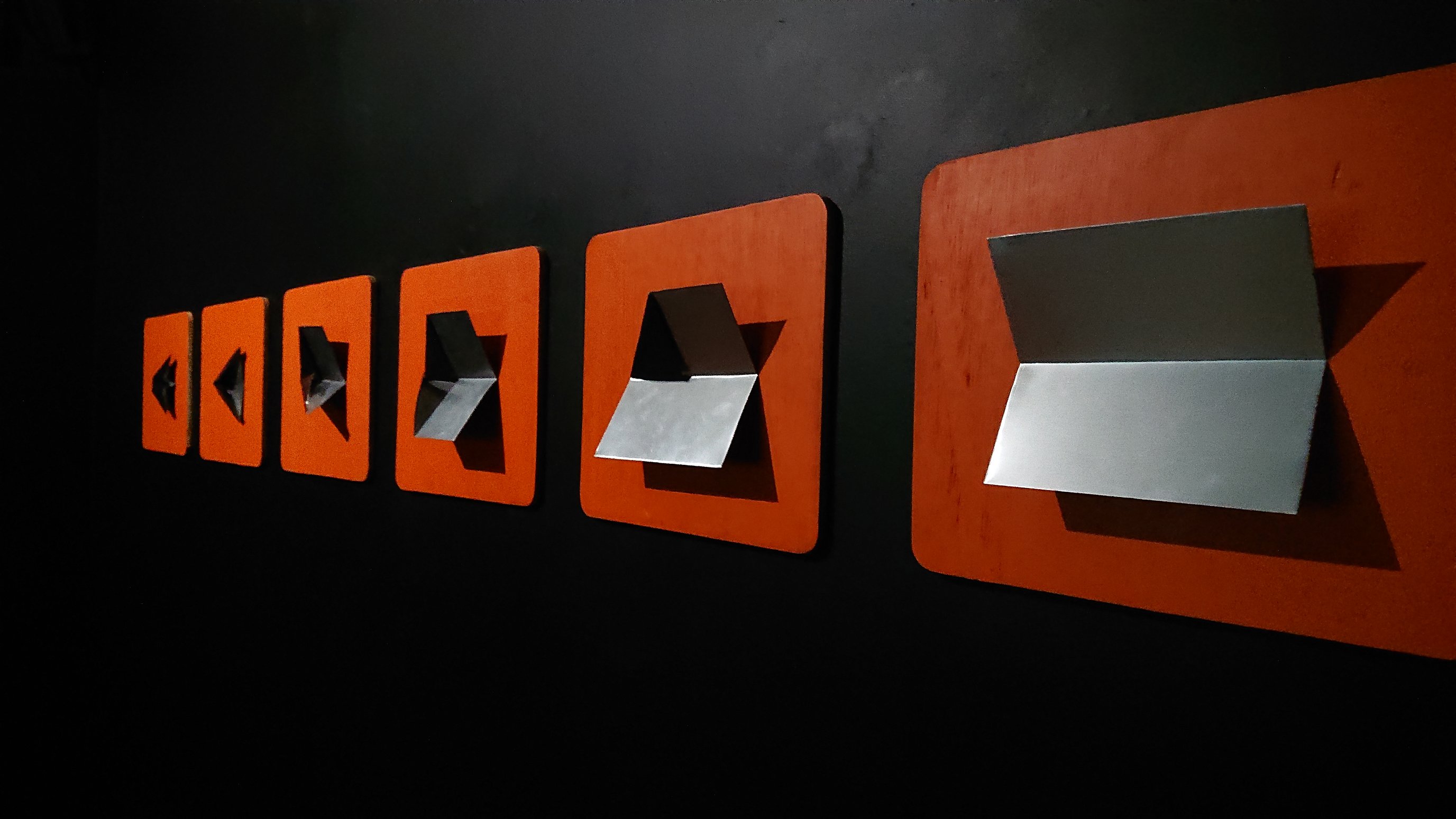
Last night was the private view for INTERMISSION, the third canto of Transmissions, a group show by the artist collective Material Matters.
I’ve been getting to more art lately, and enjoying the rediscovery. Michael Dales prompted a lunchtime trip to RIBA North to see an exhibition about Manplan, an interesting architecture/urbanism journal from the 70s. And I’d made it to the Bridewell a few weeks back to see ANCESTORS, the first canto of Transmissions.
Each time I’d taken a few photos and intended writing it up here, like we used to back in the day; and then not found the time.
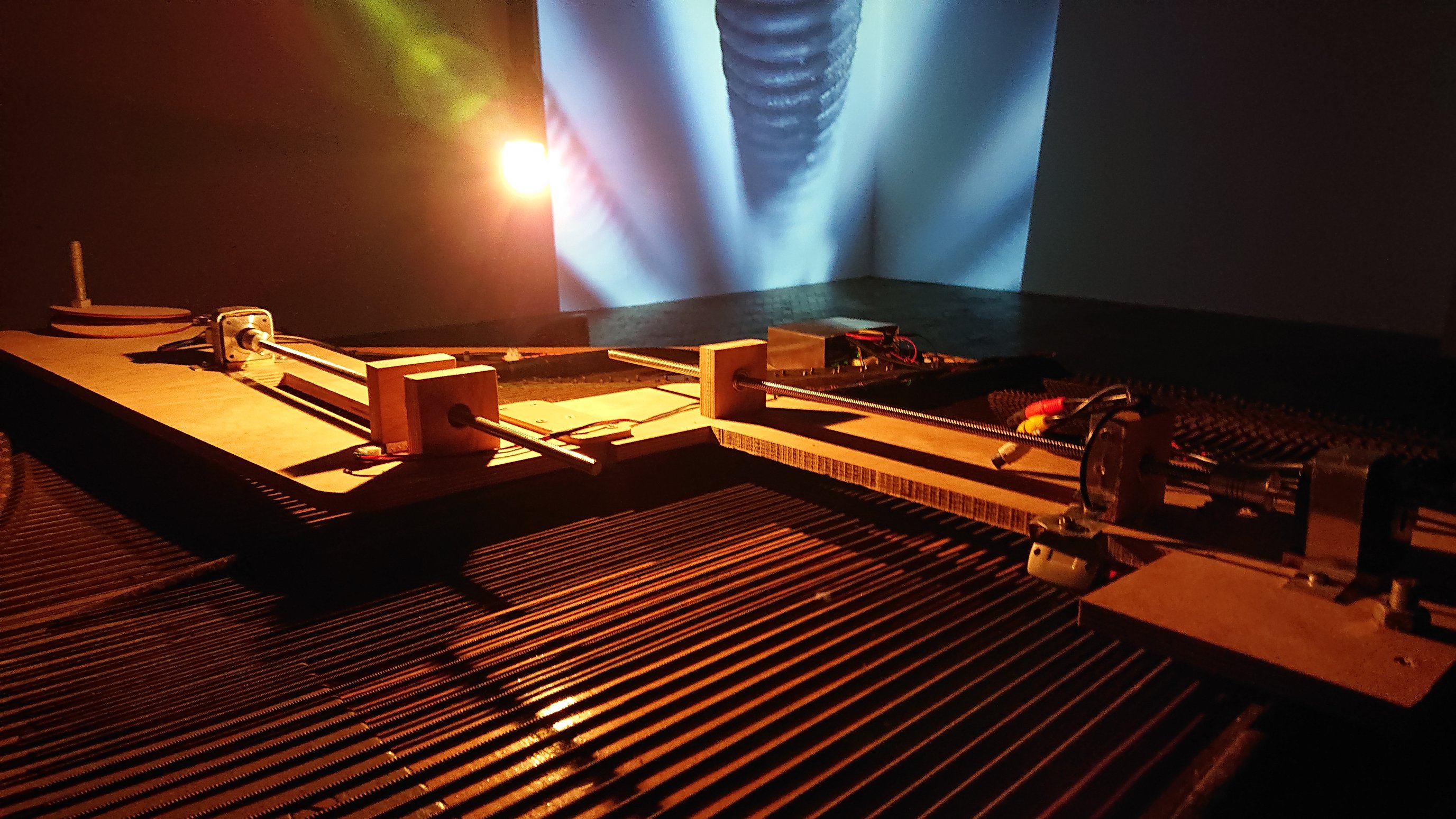
INTERMISSION is the canto from my friend Angelo Madonna. It features his Tide Piano, which I’ve provided little bits of technical support for. It’s a piano frame, played by a pair of plectrums driven by stepper motors that move in step with the local tide. Every few minutes a note fills the room as one of the steppers move over a string.
A camera mounted to one of the steppers films a close-up of the strings below it, which is projected against the wall of the gallery.
As you’d expect at an art opening, one of the common questions when you get chatting to people is “are you an artist?”. Like Ben I tend to demur. To claim that it’s a term other people have used to describe me.
I have had works shown in art galleries, so objectively that would make me an artist. I think my issue with it is that lots of what I do is more readily termed technology; or rooted in organisational or civic or group “design”; none of which feel to me like “art”.
The easy option would be to say that I’m “not just an artist”, but that implies a diminution of artist that isn’t true. I’m not sure that I live up to the standards that I see in my friends who are artists.
The other readily-to-hand term would be polymath. That feels far too arrogant to be claiming. I think I’m a good technologist; and I am a published author; and have made and shown artworks. But… But…
Maybe the right answer is “sometimes”. I am an artist, but I’m not always an artist.
I usually refer to myself as a “technologist”, and oft expand upon it with “creative technologist”.
I have been wondering if I should tweak that to be a convivial technologist. I think that takes the term in a more interesting direction, and opens up discussions about the open and liberatory possibilities of technology, and critiques of the technology mainstream. I think I need a bit more background reading on Tools for Conviviality before I’ll be happy that I’m not mis-using the term and can start using it.
There was also a conversation last night about writing and “being a writer”.
I was being usefully challenged by E about my reticence; and the best I could manage was to talk about how I like having written, but hate writing. Expanding upon it, it’s more that writing is a struggle—my brain will run off along many different threads, and capturing and constructing a coherent narrative from that is difficult.
Plus there’s the discomfort of killing your darlings and excising sentences or paragraphs that get jotted down in the early drafting process but then don’t end up with a place in the final prose because the writing took a different direction as you worked it out. We’ll see if this paragraph and the last are still here when I get back to them in a while. [It did, for once —Ed.]
And some of it is forcing myself to focus for long enough to get the words on the page. “I’ll come back to it later and finish it off” is something of a death-knell for my writing, particularly if it’s still in the collection-of-thoughts draft phase.
So it’s nice to be getting back to having the time or motivation to see the writing through. Nice to be publishing things other than the Interesting Things on the Internet or Dog-eared Pages again. How are we?